290 295 Clare Street, E2 9HD
290 295 Clare Street, E2 9HD
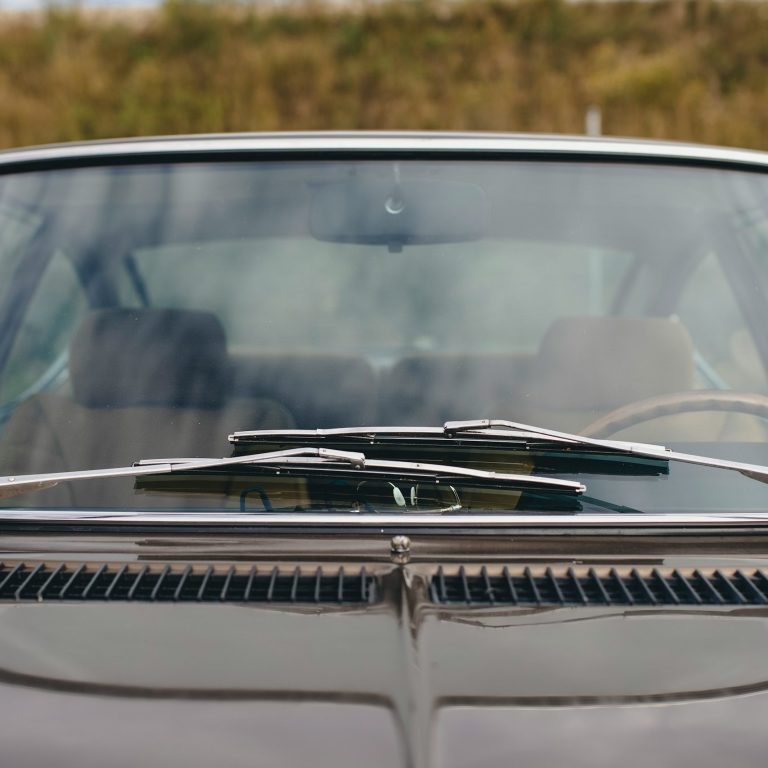
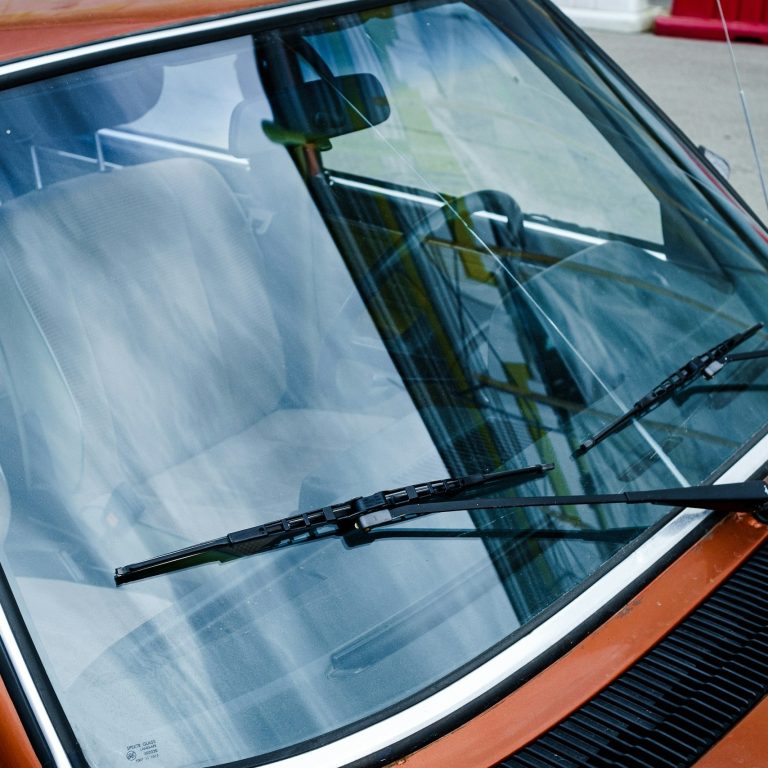
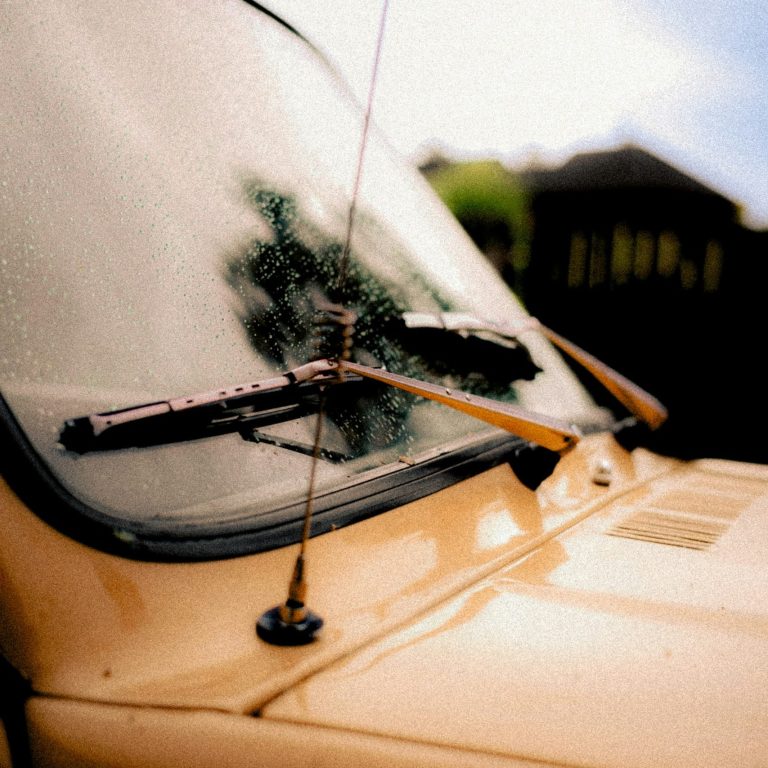

At MWorks MOT, Tyres & Bodyshop in London we provide clear specifications and practical advice on new wipers to boost visibility and safety. Our technicians at the vehicle inspection and car service centre explain blade types, material choices and correct fitment so you can be confident your windscreen performs reliably in all conditions. Regular replacement prevents streaking, reduces wear on windscreens and ensures reliable performance in wet weather and at higher speeds. Blade types and when to choose them Conventional framed blades are a cost-effective option for many older vehicles and provide stable pressure across the rubber element. Beam blades have a one-piece, frameless design that gives more even contact and improved performance in rain and snow. Hybrid blades combine a beam-style rubber element with a low-profile external frame for an intermediate option. We will advise the best blade type for your vehicle and driving conditions during inspection. Material choices and durability Rubber blades are common and give good wiping performance when new but can perish from heat and ozone exposure. EPDM synthetic rubber is more durable than natural rubber and resists hardening. Silicone blades offer the longest life, better water beading and reduced streaking, especially useful for vehicles stored outdoors in London. Selection depends on windscreen curvature, local weather and budget; our technicians can recommend the right compound for your car. Correct fitment and installation Correct length, arm connection and adaptor type are essential for effective wiping. Fitment options include hook, pin, bayonet and push‑button attachments; using the wrong adaptor can cause poor contact or damage the wiper arm. We always verify blade length against the vehicle handbook or measure the arm and check that the blade sits flush across the glass. We also inspect arm tension to ensure even pressure and confirm washers spray correctly across the swept area. Inspection thresholds and MOT considerations During an MOT the examiner checks that wipers and washers operate to give the driver a clear view of the road. Wipers that leave significant streaking, have perished rubber, cuts, missing sections or fail to operate correctly can lead to an advisory or cause a test failure. At MWorks MOT, Tyres & Bodyshop we perform a pre‑inspection check and will highlight any defects that could affect the MOT so you can address them before the test. Practical maintenance advice Inspect blades visually and run them with washer fluid to check for streaking or chatter. Replace blades if you see splits, hardened rubber, inconsistent contact or if performance deteriorates in light rain. It is good practice to replace both blades at the same time to maintain even wiping performance. Keep the glass and blades clean, top up washer fluid with an appropriate screenwash, and lift blades from the glass when de‑icing to avoid tearing the rubber. Why choose MWorks in London Our workshop offers fitting and replacement services across car inspection, vehicle examination and auto bodywork. We stock a wide range of blade types and adaptors suitable for most makes and models and will fit them with attention to arm tension and sweep coverage. If you are preparing for an MOT or want a professional check as part of regular car maintenance, visit MWorks MOT, Tyres & Bodyshop for expert advice and precise fitment.
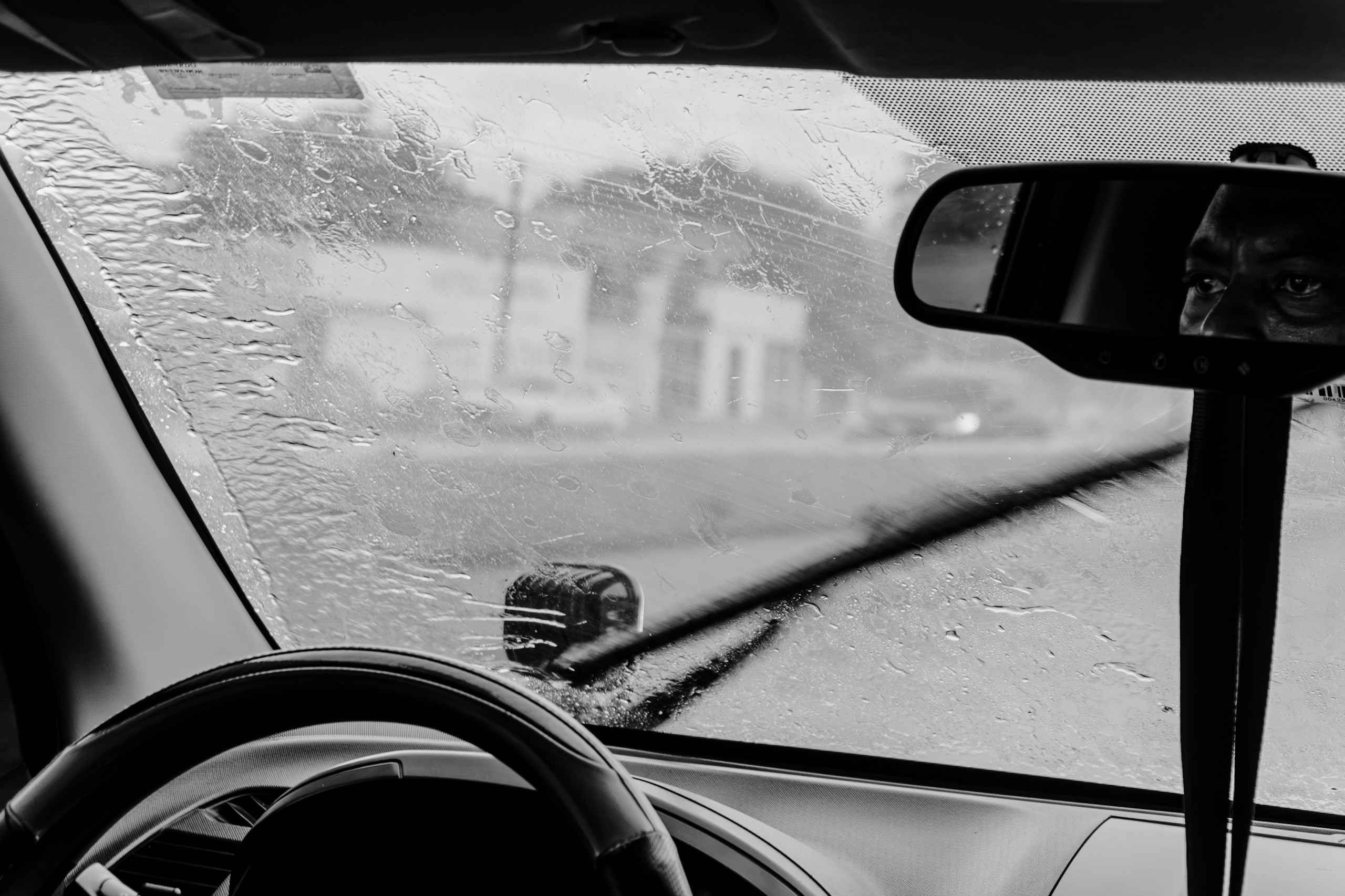
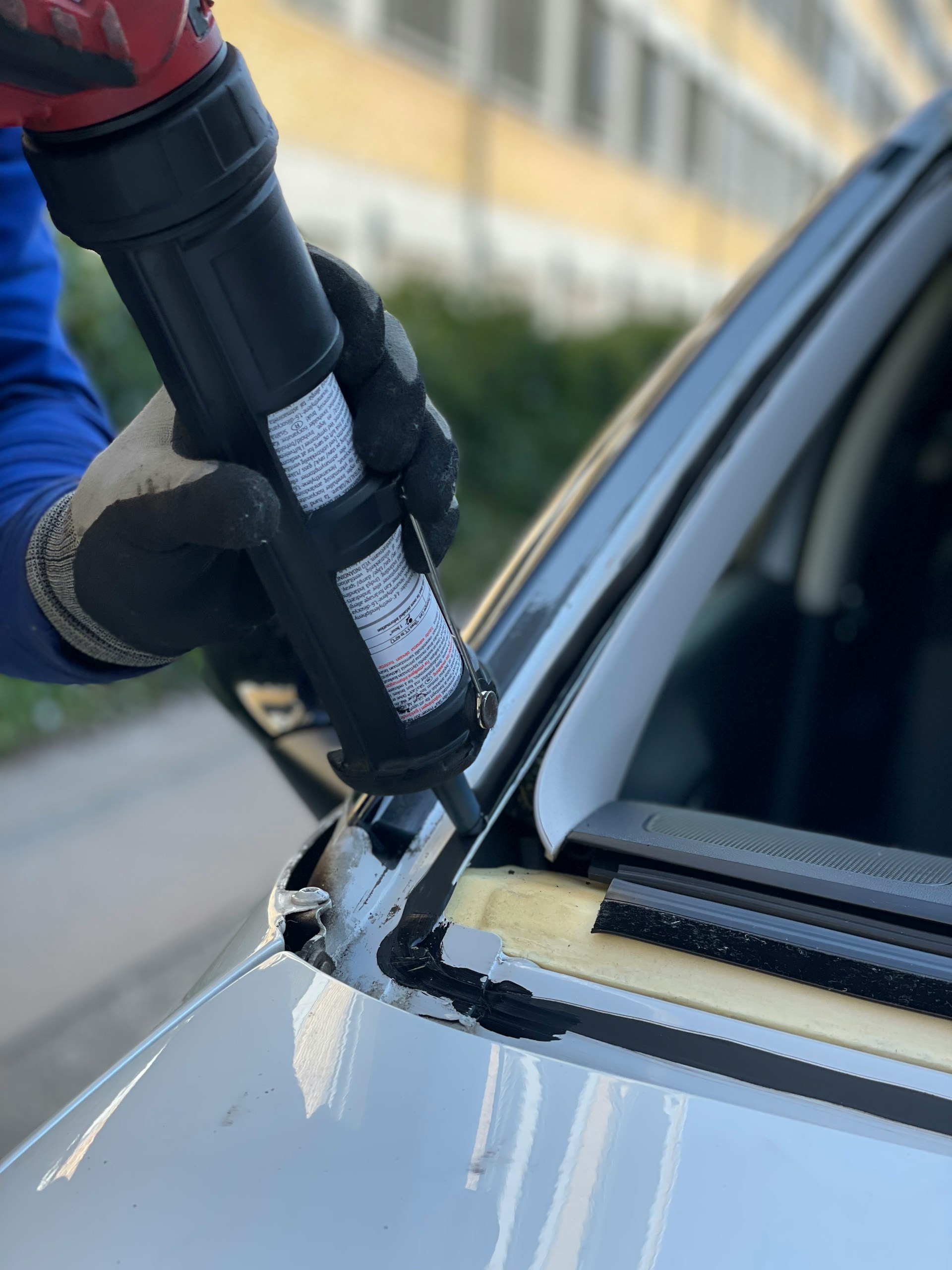
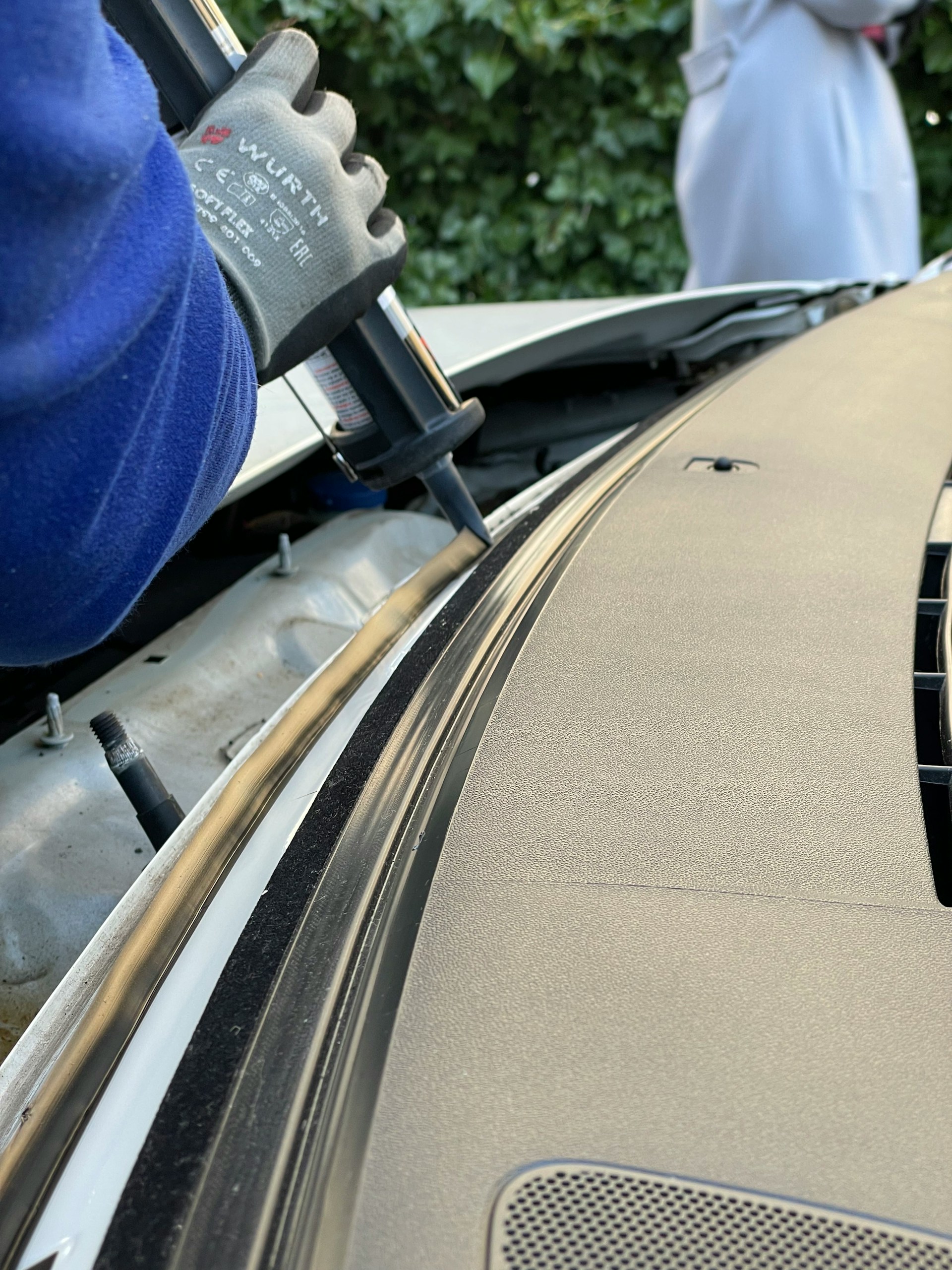
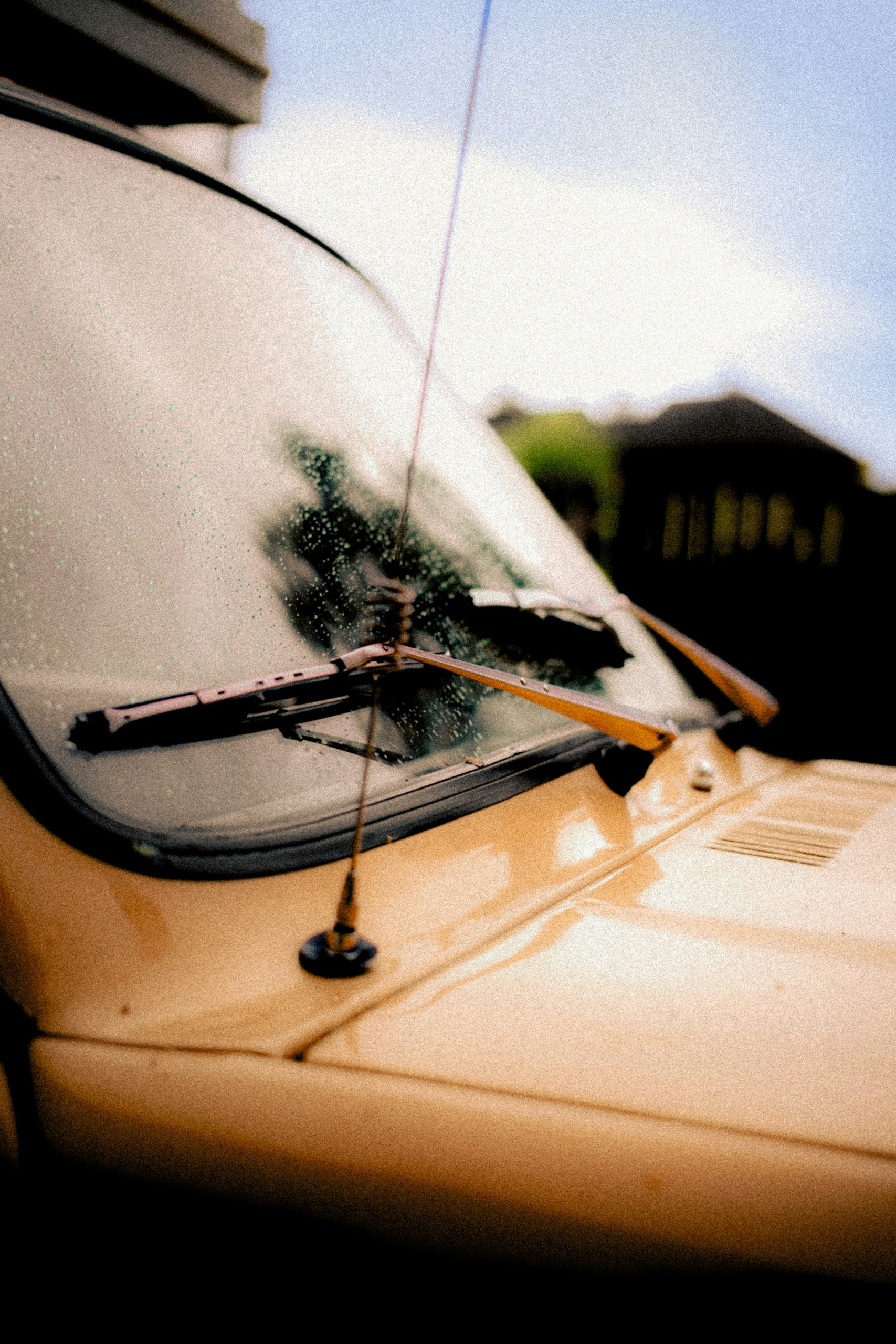
MWorks MOT, Tyres & Bodyshop in London presents a focused visual gallery of beam, conventional and hybrid wiper blades to help you identify the correct replacement and confirm a proper fit. Photographs show close‑up profiles of each blade type, common wear patterns such as rubber splitting, feathering, curling and uneven contact, plus examples of corrosion or bending on wiper arms that can compromise performance. The gallery includes step‑by‑step fitting visuals demonstrating safe arm lifting, unclipping old blades, aligning adapter notches and seating the replacement, together with post‑fit checks. Images also illustrate correct arm alignment and washer jet positions so you can verify spray coverage across the windscreen and avoid missed areas during a self‑check. Use these pictures to decide between beam, conventional or hybrid options, to recognise when a blade needs replacing, or to provide clear reference images to our technicians when you book a service. Keywords included for reference: wiper blade, windscreen, washer fluid.
We need your consent to load the translations
We use a third-party service to translate the website content that may collect data about your activity. Please review the details in the privacy policy and accept the service to view the translations.